
Lateral Collateral Ligament (LCL) in Boise
Sports Medicine and Physical Therapy Services for Lateral Collateral Ligament (LCL) in Boise.
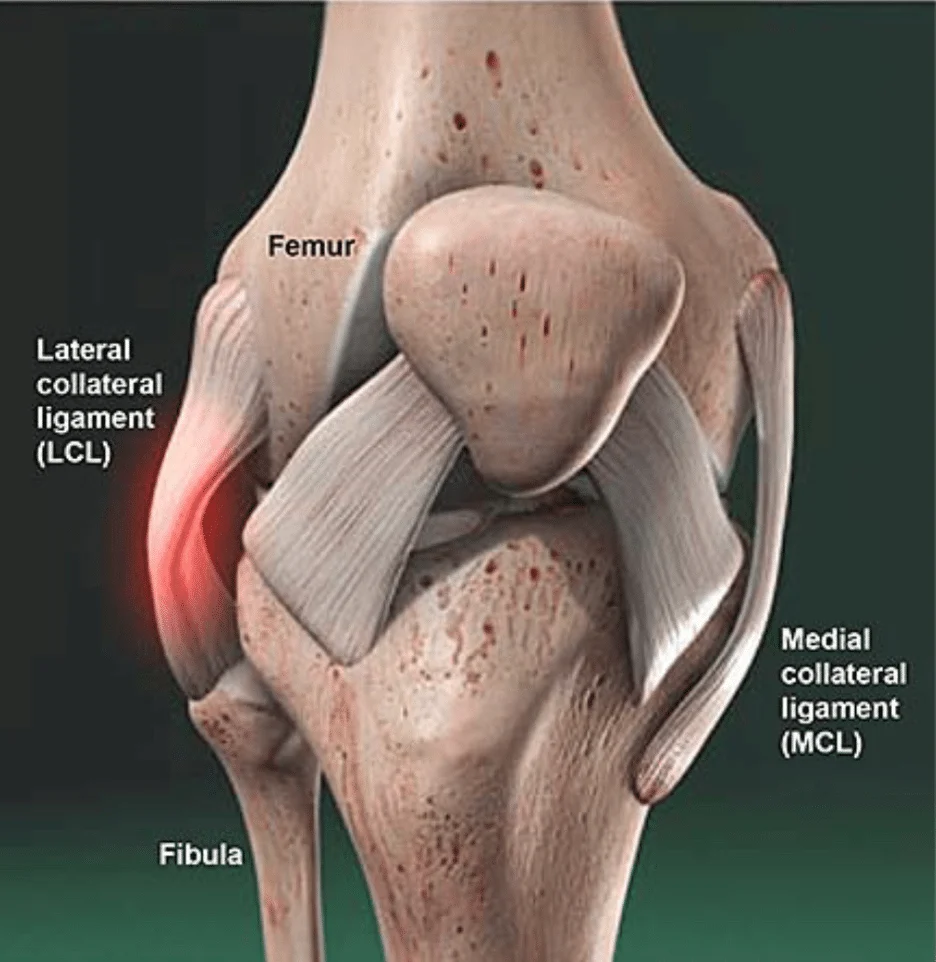
What is an LCL? The lateral collateral ligament (LCL) and medial collateral ligament (MCL) are found on the sides of the knee. The LCL (on the outside) connects the femur to the fibula and the MCL (on the inside) connects the femur to the tibia. The collateral ligaments control sideways motion in the knee and assist the cruciate ligaments in controlling forward/backward movement in the knee.
Understanding the Injury
What are the Symptoms of an LCL Injury?
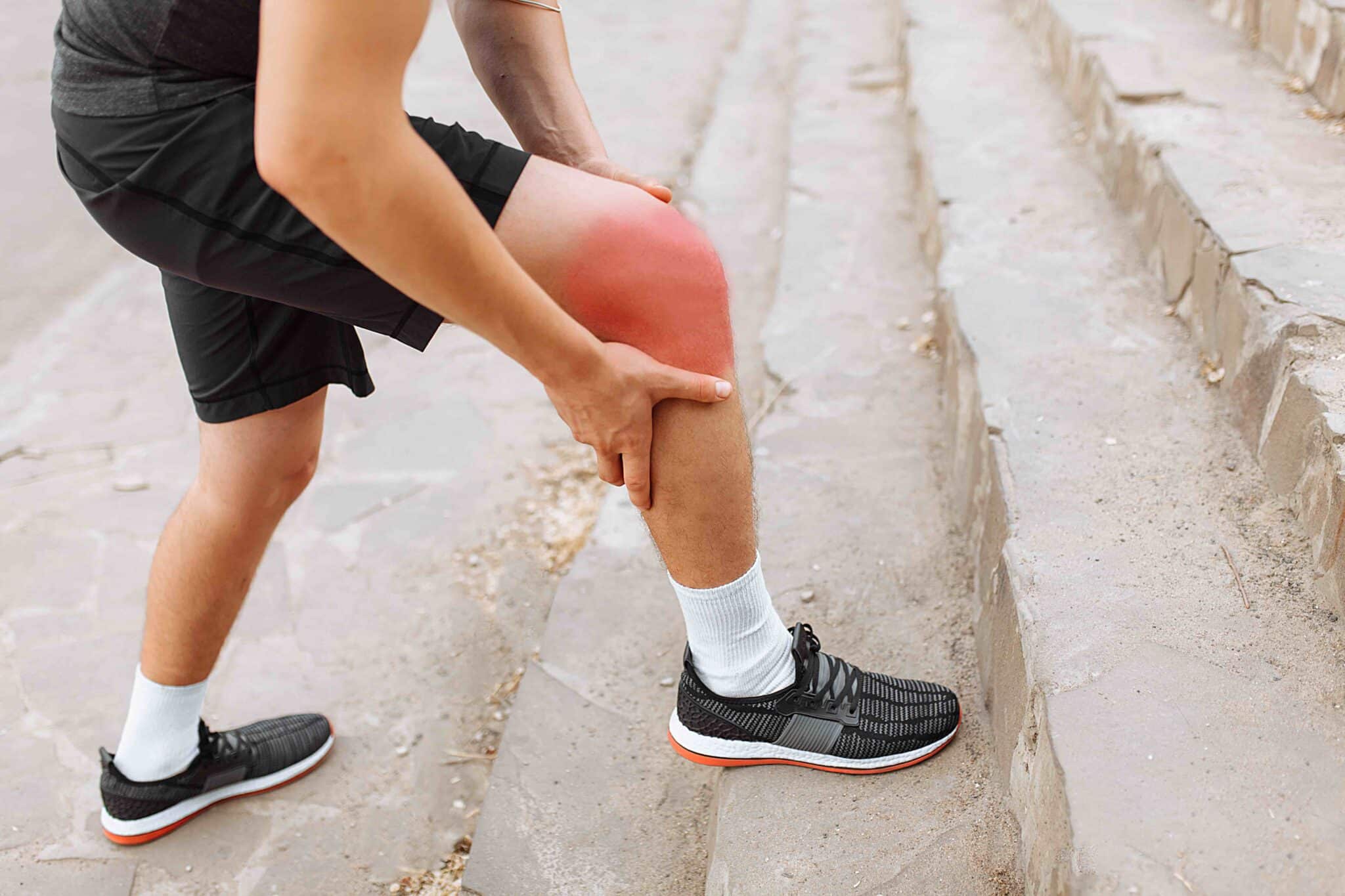
How Do You Tear the LCL?
Injuries to the LCL are usually caused by a direct blow to the inside/front of the knee that pushes the knee outward. The MCL can be injured by a blow to the outside of the knee. LCL injuries are not as common as MCL injuries.
Know the Injury
How is the Diagnosis Made?
Are X-Rays and MRI Needed?
X-rays will not show the injury to the MCL (or other ligaments or cartilage) but can show whether the injury also caused a fracture in a bone.
MRI scans can provide images of the ligaments and other soft tissues. The information from the MRI may not change how the LCL is treated, but information about other structures (cruciate ligaments, meniscus, and posterolateral corner) may affect treatment plans.
What is the Treatment for LCL Injuries?
Injuries to the LCL usually respond well to non-surgical treatment. A hinged brace will be used to protect the ligament from sideways forces and allow the ligament to heal. It is important that a brace be utilized as soon as possible to help achieve the best possible outcomes from the injury. Rehabilitation exercises (basic isometric exercises and resistance training exercises) should be initiated soon after the injury. Based on the severity of the injury, and individual recovery, your doctor will recommend that the brace be worn at all times initially and then gradually decrease the use of the brace. For example, the brace may be prescribed full-time for the first 6 weeks and then worn during workouts and during sports for 3 months. Your doctor will give you a specific timeline based on your injury and your progress. Surgery may be necessary if the posterolateral corner has significant damage and rotational stability is compromised.
When Can I Return to Sports?
A progression needs to be followed to limit the chance of re-injury or sustaining a different injury. Strength needs to be restored with resistance exercises. The brace will be worn during the return to sports phase and worn once back playing sports. Once the athlete can walk without a limp, straight ahead running can begin. If the athlete can run without a limp, then agility drills and sport drills can be started. Once these drills can be performed without a limp or favoring the knee, the athlete can return to sports.
If surgery is necessary, the return to sports will be delayed to allow adequate recovery time for repairs to heal and then more time is required to rehabilitate the knee.

Need Help with Chronic or Recently Injured Lateral Collateral Ligament (LCL)?
Schedule Your Appointment Today!