What We Do
Orthopedic Surgery, Sports Medicine, & Physical Therapy Services.
Located in the heart of Boise Idaho, we offer a range of expertise in treating and preventing injuries for individuals dealing with a wide range of illnesses and injuries.
Whether you are a professional, a weekend warrior, or someone who loves staying active, ISMI is the perfect place to go for all your sports medicine and physical therapy needs.
Below, we will go over the procedures and physical therapy services that we provide!
SERVICES
Arthroscopy
Arthroscopy is a medical procedure that we employ before our physicians and surgeons perform orthopedic surgery in Idaho, which allows orthopedic surgeons to visualize, diagnose, and treat problems inside a joint. It involves the use of a small camera, known as an arthroscope, which is inserted into the joint through a small incision. We use arthroscopy for the following procedures:
- PCL and Complex Knee Multi-ligament Reconstruction
- ACL Reconstruction Using Patellar Tendon, Hamstring, Quad Tendon or Allograft
- Labral Repair
- Tendon Repair
- Cartilage Restoration
- Osteotomy
- Arthroscopic Rotator Cuff Repair
Full and Partial
Joint Replacement
Full and partial joint replacement is a common medical procedure in our industry. Active individuals who engage in high-impact activities or suffer from chronic joint conditions often experience joint damage over time. In such cases, joint replacement may be recommended to alleviate pain, improve range of motion, and restore functionality. This includes:
- Partial Knee Replacement; MAKOplasty (Computer-Assisted Knee Surgery)
- Total Knee Replacement
- Shoulder Replacement
- Reverse Total Shoulder Replacement
- Total Hip Arthroplasty
Diagnostic Musculoskeletal Ultrasound
Musculoskeletal ultrasound (MSK US) utilizes high-frequency sound waves to produce detailed images of the bones, joints, muscles, ligaments, and tendons within the body. This non-invasive and safe imaging technique enables our specialists to visualize and evaluate various body parts and conditions, including:
- Rotator Cuff, Biceps Tendon
- Finger and Hand Tendons and Ligaments
- Elbow Tendons and Ligaments
- Carpal Tunnel
- Foot and Ankle Tendons and Ligaments
- Achilles Tendon
- Plantar Fascia
- Patellar and Quadriceps Tendons
- Iliopsoas Tendon Dysfunction (snapping hip)
- Trochanteric Bursitis
- Gluteus Minimus and Medius Tendons
Ultrasound Guided Injections
PRP: Platelet-Rich Plasma Injection
Viscosupplementation
Sports Physicals
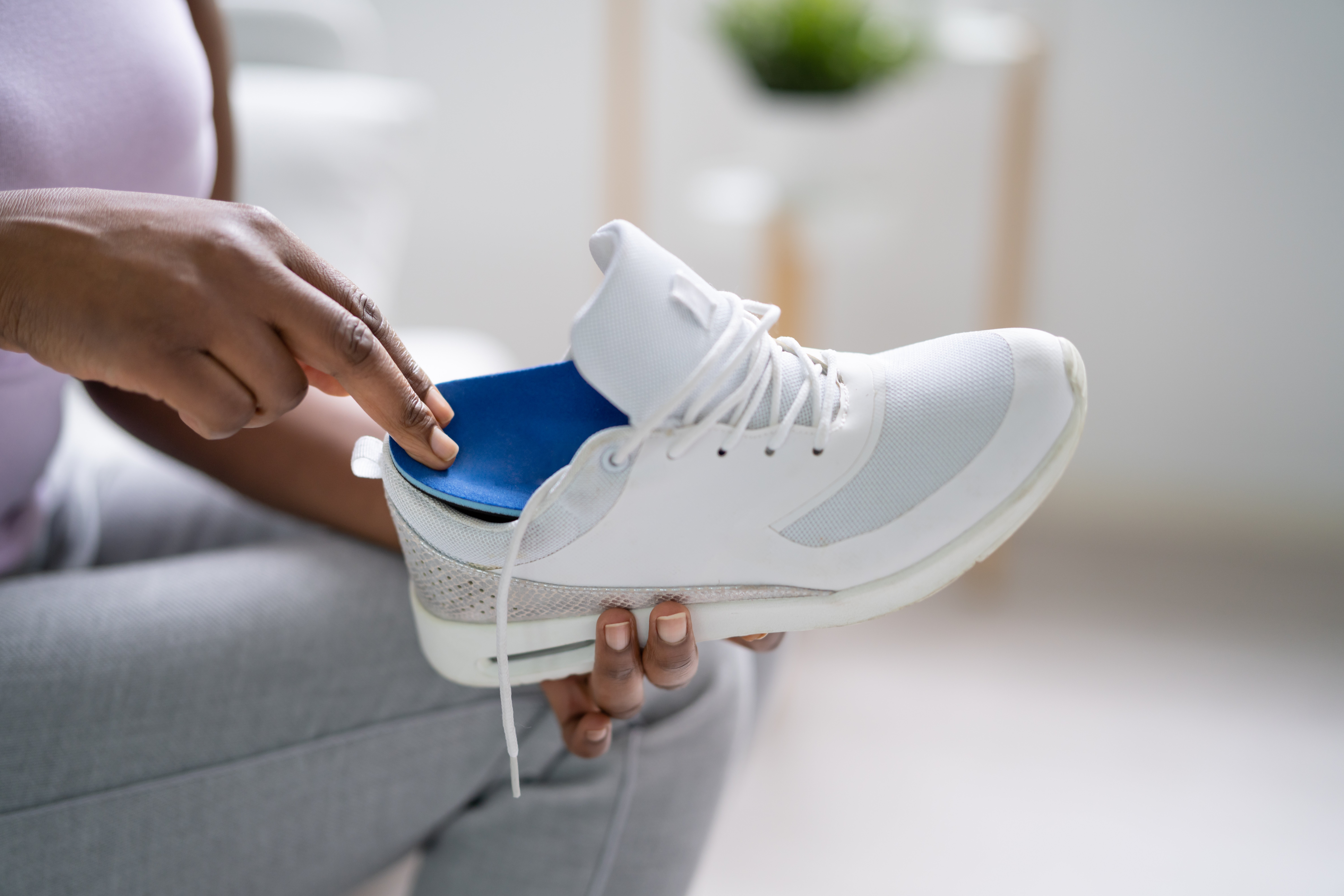
Casting / Bracing / Orthotics
Digital X-Ray
Pre & Post-Operative Care
Exercise Prescription
ASTYM
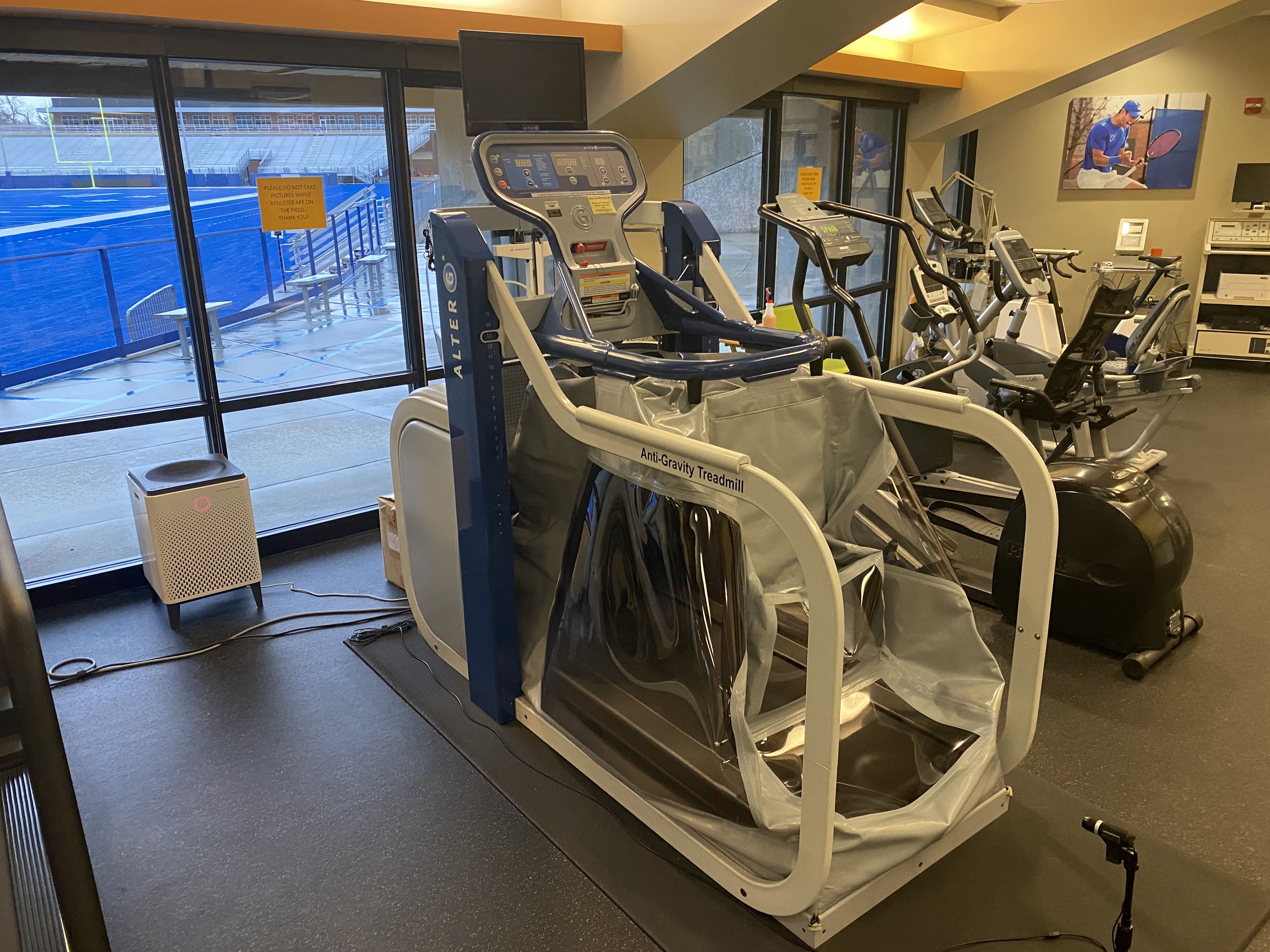
Alter G
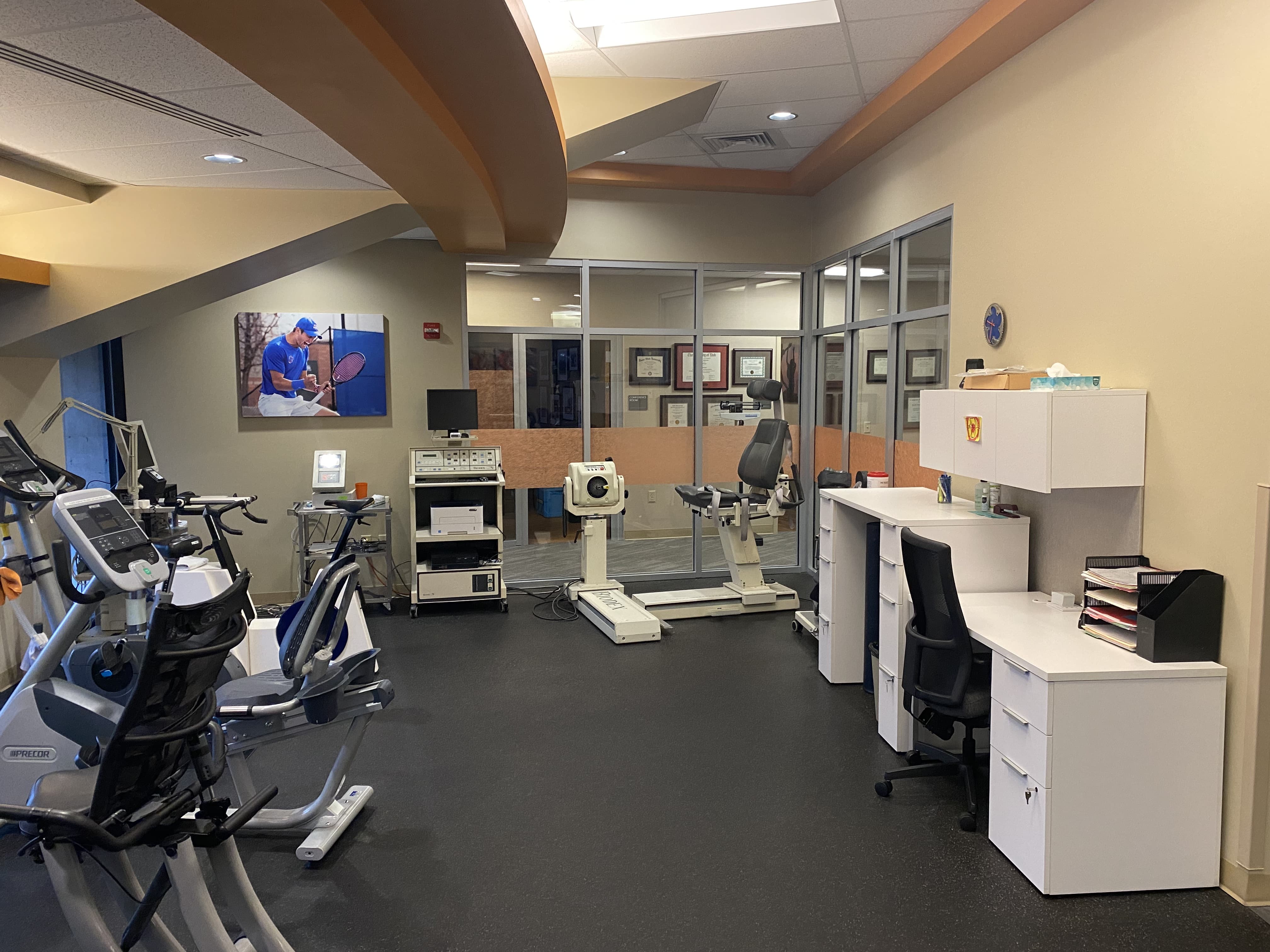
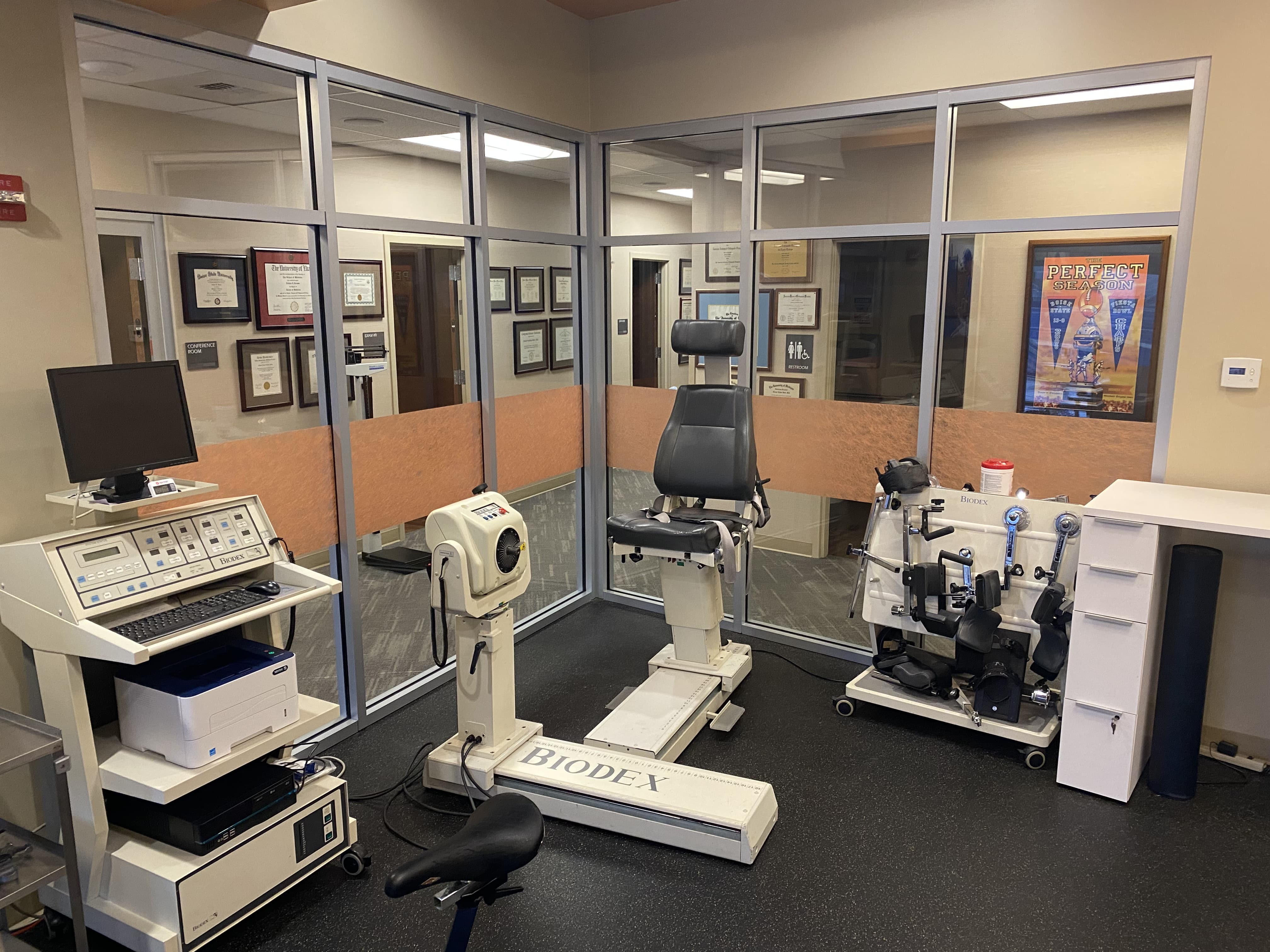
Biodex Strength Testing
A computer-assisted machine that assesses a patient’s isokinetic strength. The Biodex system is an advanced technology developed for the testing and rehabilitation of the human musculoskeletal system. It can be used to assess the lateral muscles’ strength status or rehabilitate them.
We use the Biodex Isokinetic Dynamometer to give us accurate and objective measuresof muscle strength. The test measures how much torque, or rotational force, the muscles can produce at different joint velocities. Although we typically test the muscles around the knee, shoulder, and ankle, the Biodex also allows us to measure strength in the elbow, wrist, and hip muscles. The testing provides important information regarding strength deficits and muscle imbalances.
When we perform a test, we look at several factors:
- strength difference between the left and right side (or, injured and uninjured limb)
- strength imbalance across the joint
- strength relative to body mass
- improvement on subsequent tests
A test will take approximately 1 hour, depending on the joint(s) involved. Immediately following the test, the results are reviewed with the client.
Running Gait Analysis
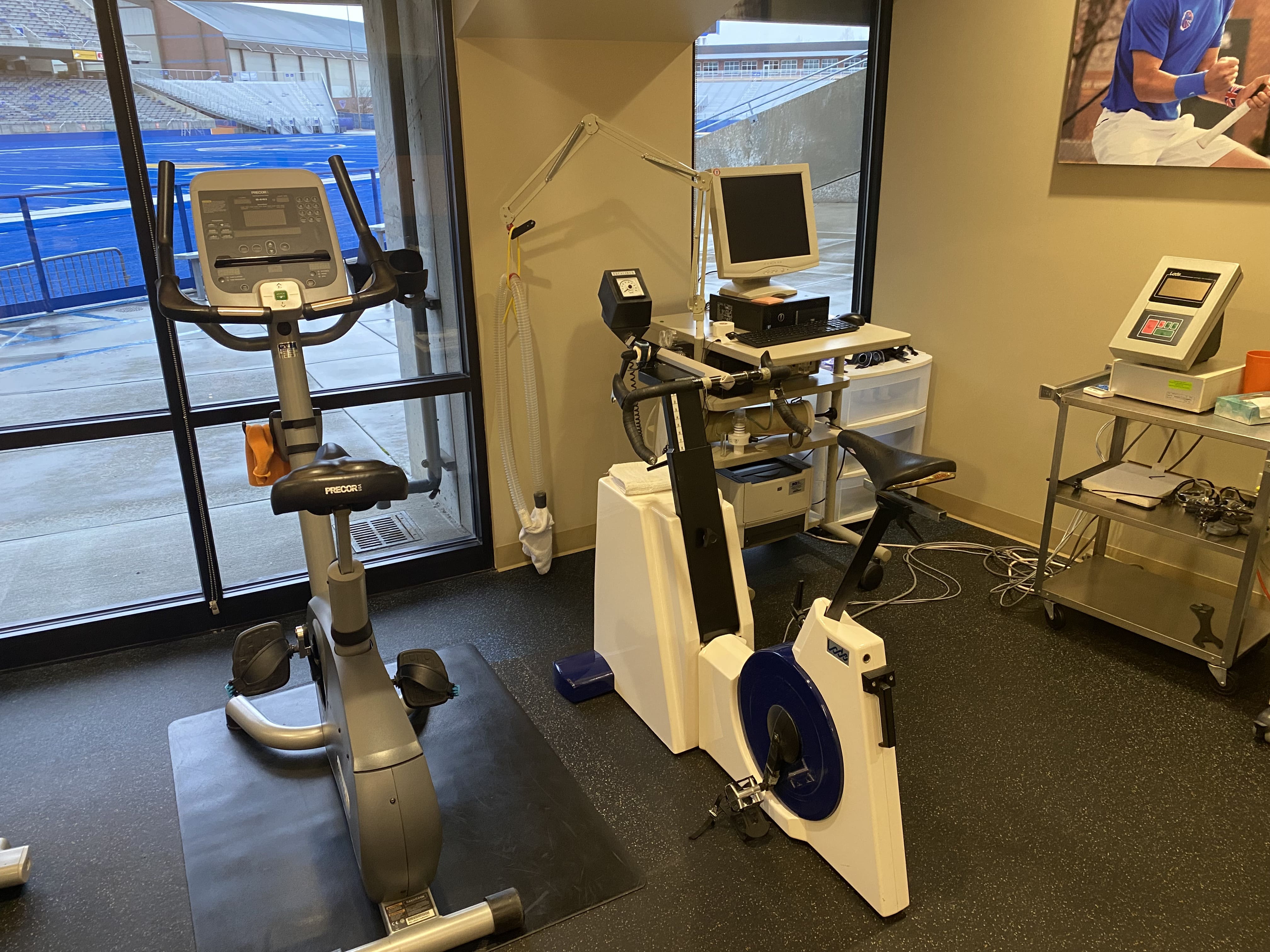
VO2Max Test
A maximal exercise test that measures how much oxygen you use while exercising. The test is performed on a treadmill or bike while connected toa machine that analyzes your expired air.
VO2 max is the best overall measure of cardiovascular fitness and sets the upper limit tothe production of energy (ATP) via aerobic metabolism.
The test involves:
- Hooking yourself up to a mask and a heart rate monitor
- Walking or jogging on the treadmill until you are physically exhausted.
- Gradually increasing the speed and/or incline every few minutes.
- Building to your maximum effort over 10-20 minutes
The test provides data on:
- How much oxygen you use as you exercise.
- The maximal oxygen you can consume during exercise.
- Your maximum heart rate
- Information about training zones and how the body burns calories, carbohydrates, and fat.
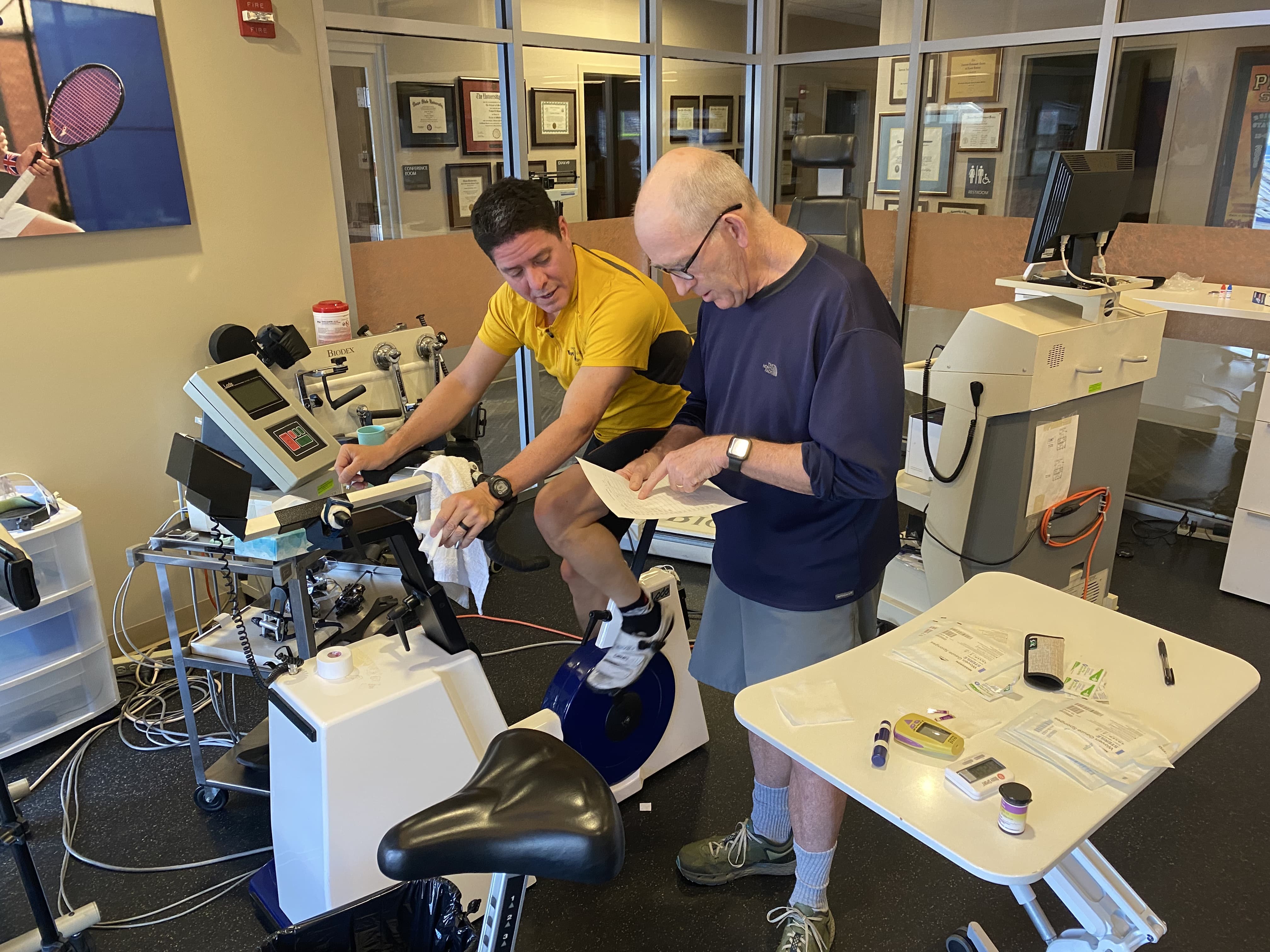
Lactate Threshold
This test measures the point at which lactate builds up in the bloodstream during incremental exercise. The LT is a good indicator of submaximal fitness, such as what exercise pace can be maintained over a prolonged period of time without fatigue.
During an LT test, subjects exercise at progressively higher work rates until they are at or near exhaustion. Blood samples are taken at regular time intervals throughout the test and analyzed for lactate concentration.
LT testing can be used to:
- Determine an appropriate training intensity.
- Monitor progression in athletes of all levels
- Compare a lactate profile before vs after a training program.
- Predict submaximal fitness.
- Measure running and cycling fitness.
A LT test is similar to the VO2 max test, although it consists of slightly longer periods of time between changes in workload.